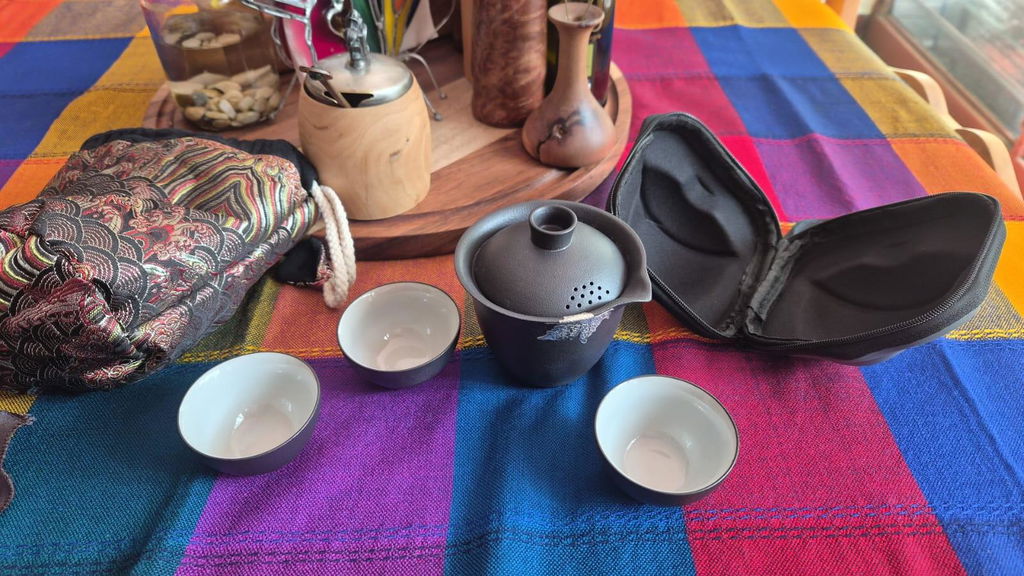
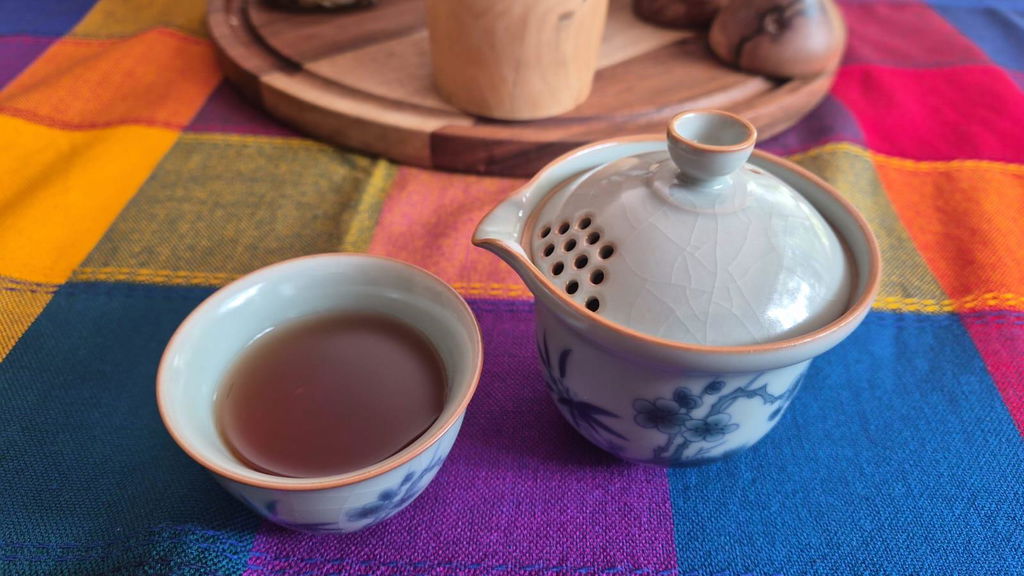
The Art of Maintaining a Yixing Teapot: Cultivating a Jade-Like Patina
Proper care of a Yixing teapot (known as "raising the pot") not only enhances its appearance but also refines the flavor of tea and extends its lifespan. With the right methods, the teapot will gradually develop a natural sheen, exuding a subtle, jade-like glow. Below is a practical and scientifically sound guide to teapot maintenance.
I. Initial Preparation (Crucial First Step for New Pots)
-
Rinse Away Dust
Gently clean the interior and exterior with warm water and a soft brush to remove kiln residue (avoid dish soap). -
Boil to "Wake" the Pot
Separate the lid from the pot, submerge in clean water, and bring to a gentle boil. Let cool naturally (repeat 1-2 times if needed). -
Season with Tea
Brew low-grade tea (e.g., tea stems or inexpensive black tea) and let it sit in the pot for 6 hours to remove any earthy odors before discarding.
Note: Modern teapots require less intensive preparation, but avoid folk remedies like tofu or sugarcane, which can clog the clay’s pores.
II. Six Golden Rules for Daily Use
-
One Pot, One Tea
Yixing clay absorbs flavors, so dedicate a pot to a single tea type (e.g., zhuni clay for oolong, zini clay for pu-erh). -
Pre-Warm the Pot
Rinse with warm (~60°C) water before adding boiling water to prevent thermal shock (especially in winter). -
Clean Immediately After Use
Discard tea leaves, rinse with hot water, and air-dry upside down to prevent mold. -
Polish Gently with Tea Liquor
While brewing, pour tea over the pot’s exterior and wipe with a soft cloth to encourage even patina (avoid harsh scrubbing). -
Handle with Care
The spout and lid edges are fragile—clean gently and store safely. -
Air-Dry Naturally
When not in use, leave the pot uncovered in a ventilated area (avoid sealing or direct sunlight).
III. Deep Cleaning Techniques
- Removing Tea Stains: Soak in warm water with baking soda for 10 minutes, then wipe gently (no steel wool).
- Eliminating Odors: If musty, rinse repeatedly with boiling water, then place dry tea leaves (e.g., pu-erh) inside to absorb odors.
IV. Long-Term Storage Tips
- Ensure Complete Dryness: Verify no moisture remains inside; place a piece of rice paper between the lid and body to prevent sticking.
- Keep Away from Strong Scents: Store away from kitchens, perfumes, or chemicals to avoid odor absorption.
- “Wake” Periodically: Brew tea in stored pots monthly to maintain their tea-infused character.
V. Three Common Mistakes to Avoid
❌ Rushing the Patina: Soaking in tea or smearing tea residue creates an artificial, uneven gloss.
❌ Overcleaning: Frequent boiling or vinegar washes damages the clay’s natural breathability.
❌ Neglecting Hygiene: Old tea residue not only affects taste but also dulls the pot’s surface.
VI. Signs of a Well-Maintained Teapot
- True Patina: A naturally cultivated sheen that develops over years of use (not a superficial shine).
- Enhanced Tea Flavor: High-quality Yixing clay softens water and enriches tea’s body.
“Raising a teapot is like cultivating patience—a masterpiece shaped by time and care.”
🏺 Start Your Teapot Journey
A well-maintained Yixing teapot is a lifelong companion. Browse our handmade Zisha teapots — each crafted from authentic Yixing clay and ready to develop its own unique patina with your daily tea ritual.