Da Hong Pao · Qilan · Shuixian · Rougui | Wuyi Rock Tea Brewing Guide
Wuyi Rock Tea, produced in the Wuyi Mountains of Fujian Province, is renowned worldwide for its unique "Yan Yun" (rock charm) – often described as a harmonious blend of "rock bones and floral fragrance". Its core varieties – Da Hong Pao, Qilan, Shuixian, and Rougui – each have distinct characters and require slightly different brewing approaches. Mastering the right techniques will help you unlock the true beauty of each tea.
🍵 Core Brewing Parameters for Wuyi Rock Tea
These basic guidelines apply to all Wuyi Rock teas:
- Water Temperature: 100°C (boiling water). Rock tea must be brewed with boiling water to fully release its "rock charm" and high-aroma compounds. Always use freshly boiled water, especially for the first infusion.
- Tea Amount: 8 grams (for a 120ml gaiwan). For a standard 120ml white porcelain gaiwan, 8 grams of tea is the ideal starting point. Adjust slightly for different varieties: old‑tree Shuixian (with thicker, larger leaves) – fill about 1cm below the rim; Rougui (with finer, more slender leaves) – fill about 1.5cm below the rim.
- Tea-to-Water Ratio: Approximately 1:15.
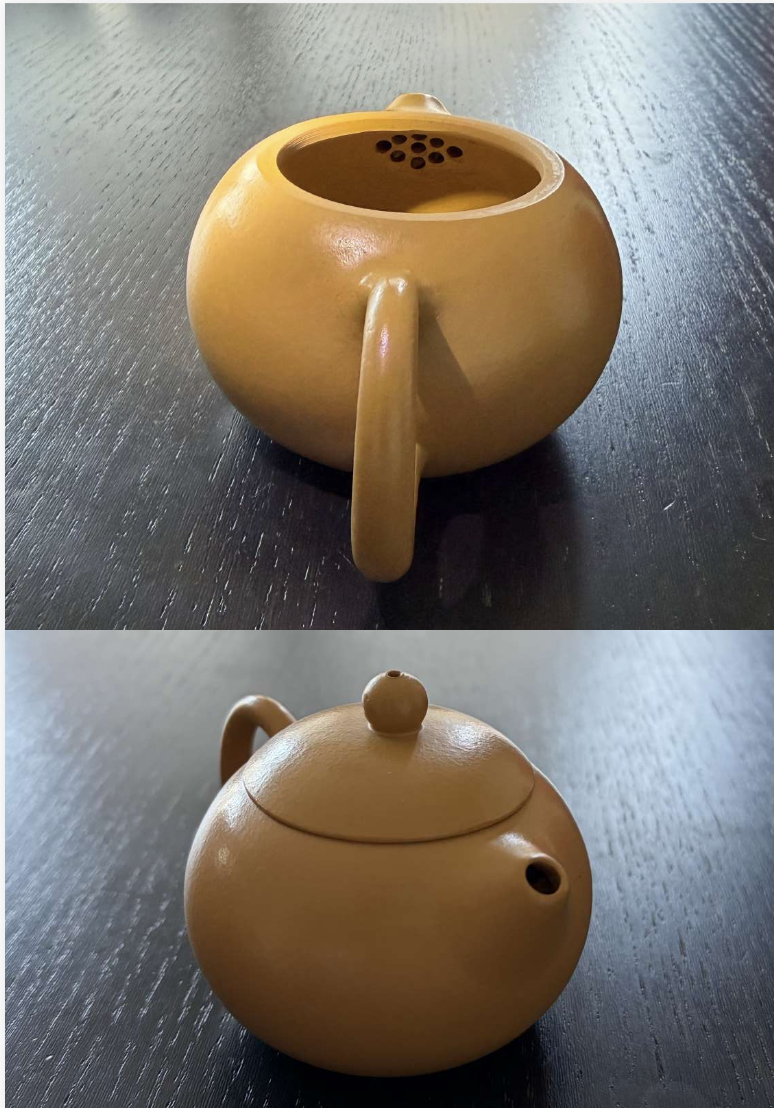
- Teaware: A white porcelain gaiwan (120ml) is preferred. White porcelain does not absorb flavours or cross‑contaminate aromas, allowing the tea's true character to shine through. It also makes it easy to observe the leaves and control steeping time. A Yixing zisha teapot is also a good choice, but make sure it is not too large.
- Water Quality: Spring water or filtered water is ideal.
⏱️ Variety-Specific Brewing Guides
Different Wuyi Rock tea varieties require slight adjustments in steeping rhythm:
🍂 Da Hong Pao (Big Red Robe)
Da Hong Pao is the most iconic Wuyi Rock tea, known for its "rock bones and floral fragrance" – a rich, full‑bodied flavour with a complex, lingering aroma.
- Tea Amount: 8–10g.
- Pouring Technique: Pouring from a height (e.g., "Phoenix Nods Three Times") helps agitate the leaves and release aroma.
- Steeping Times: For the first 3 infusions, pour out immediately (no steeping). From the 4th infusion onward, increase steeping time by 5 seconds per infusion. High‑quality Da Hong Pao can be steeped 10+ times.
🌸 Qilan (Orchid Fragrance)
Qilan is a variety originally introduced from Pinghe in southern Fujian, prized for its intense, long‑lasting orchid fragrance – high‑aroma, bright, and with a quick sweet aftertaste.
- Tea Amount: Approximately ¼ of the vessel capacity.
- Water Temperature: 95–100°C. Slightly cooler than boiling can help preserve the delicate high notes of this aromatic tea.
- Steeping Times: First steep: 2–5 seconds, pour out quickly. For the first 3 infusions, steep for about 5 seconds and pour out quickly. From the 3rd infusion onward, increase to 10–15 seconds.
🌿 Shuixian (Narcissus)
Shuixian is celebrated for its smooth, mellow character – as the saying goes, "No tea is more mellow than Shuixian." Its liquor is thick, soft, and silky, with a gentle, lingering orchid fragrance, especially in old‑tree varieties.
- Tea Amount: 8–9g.
- Pouring Technique: Pour gently along the side of the gaiwan, or use a circular pouring method to enhance the tea's smoothness.
- Steeping Times: First 3 infusions: 5 seconds, pour out quickly. For the 4th infusion onward, increase by 5–10 seconds per infusion. Always drain the liquor completely after each steep – leaving residual liquid will cause the tea to become bitter in later infusions.
🌶️ Rougui (Cinnamon)
Rougui is famed for its bold, pungent aroma – as the saying goes, "No tea is more fragrant than Rougui." Its distinct cinnamon‑like fragrance is sharp, long‑lasting, and highly penetrating.
- Tea Amount: 8g.
- Pouring Technique: Pour boiling water from a height – high temperature is essential to fully release Rougui's powerful aroma.
- Steeping Times: First steep is a quick rinse (pour out immediately). For the second steep, steep for 10 seconds. From the third infusion onward, increase steeping time by 10–30 seconds per infusion. For the first 3 infusions, pour out immediately; from the 4th onward, increase steeping time by 5 seconds per infusion.
☝️ Three Pro Tips for Brewing Wuyi Rock Tea
- Warm the Teaware: Before brewing, rinse all teaware with boiling water. This simple step raises the temperature of the vessel, helping to release the tea's fragrance.
- Quick Steeping is Key: Rock tea should never be over‑steeped, especially in the first few infusions. Prolonged steeping will release excessive bitterness and astringency, masking the tea's true character.
- Drain the Liquor Completely: After each infusion, make sure you drain every last drop of tea from the gaiwan. Residual liquid will continue to extract from the leaves, making subsequent infusions bitter and astringent.
💎 Summary Table
| Variety | Tea Amount (120ml Gaiwan) | Water Temp | Steeping Rhythm | Flavour Character |
|---|---|---|---|---|
| Da Hong Pao | 8–10g | 100°C | First 3 steeps: pour out immediately; then +5 sec per steep | Rock bones + floral fragrance; rich, full‑bodied |
| Qilan | ~¼ vessel capacity | 95–100°C | First 3 steeps: ~5 sec, then 10–15 sec | Intense orchid aroma; quick, sweet aftertaste |
| Shuixian | 8–9g | 100°C | First 3 steeps: 5 sec; then +5–10 sec per steep | Smooth, mellow, silky; gentle orchid fragrance |
| Rougui | 8g | 100°C | 2nd steep: 10 sec; then +10–30 sec per steep | Sharp cinnamon fragrance; bold and lingering |
The beauty of Wuyi Rock Tea lies in the subtle evolution of flavour from one steep to the next. By mastering water temperature, tea amount, and steeping rhythm – and adjusting to each tea's character – you can unlock the true "rock bones and floral fragrance" in every cup. 🍵
🍂 Shop Wuyi Rock Teas
Ready to experience the legendary Yan Yun (rock charm) for yourself? Explore our full range of Wuyi Rock Teas — Da Hong Pao, Qilan, Shuixian, and Rougui — each carefully sourced from the Wuyi Mountains for their signature mineral depth and lingering aroma.
Shop Da Hong Pao Shop Qilan Shop Shuixian Shop Rougui
Browse Handmade Zisha Teapot → Browse Full Handmade Zisha Teapot →