Fuding White Tea Brewing Guide: Bai Mudan, Gongmei, and Shoumei
Fuding white tea, celebrated for its natural, unprocessed craftsmanship (no frying, no rolling), is often described by the saying: "One year as tea, three years as medicine, seven years as treasure." Among the white tea family, Bai Mudan, Gongmei, and Shoumei are the three most commonly enjoyed varieties. However, many tea drinkers still have questions:
- What exactly are the differences between Bai Mudan, Gongmei, and Shoumei?
- Do they require the same brewing method?
- How much does brewing differ between new white tea and aged white tea?
This guide will answer all of these questions and help you brew every cup of white tea to perfection.
I. Bai Mudan, Gongmei, Shoumei: Understanding the Differences First
To brew a great cup, you first need to understand the tea in your hands. Although they all fall under the white tea category, Bai Mudan, Gongmei, and Shoumei differ significantly in plucking standards, appearance, and flavour profiles.
🌸 Bai Mudan (White Peony)
Bai Mudan is made from one bud with one or two leaves. The buds and leaves are connected, resembling a flower in shape – hence the name "White Peony."
- Plucking Standard: One bud with one or two leaves
- Appearance: Plump buds, tender leaves, covered in fine white down
- Flavour Profile: Fresh, crisp, sweet, with prominent downy fragrance and floral notes
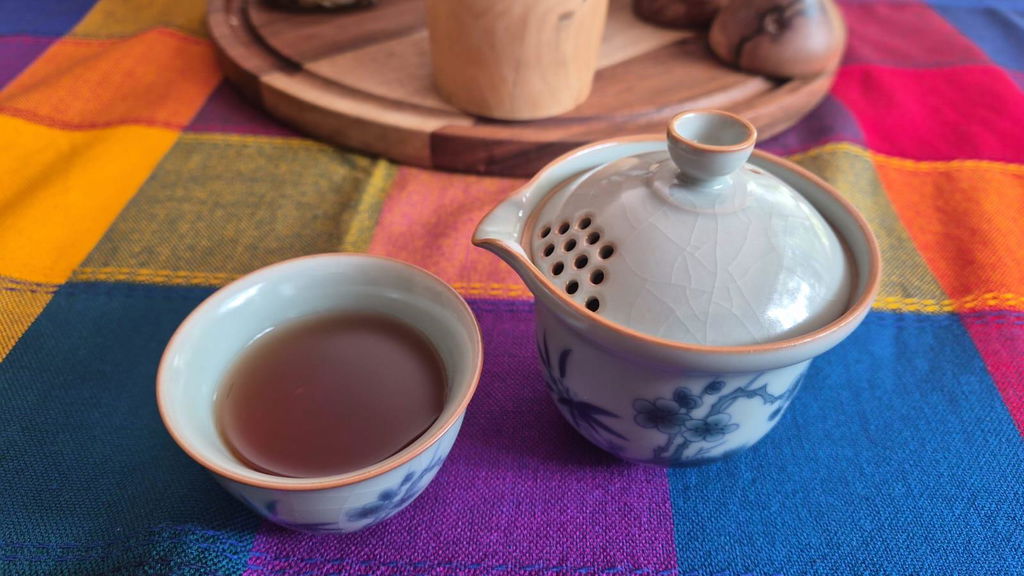
- Liquor Colour: Pale apricot or light golden, clear and bright
- Tea Nature: Cooling when fresh; becomes warm after ageing
- Best For: Drinkers who enjoy fresh, crisp flavours and floral aromas
🌾 Gongmei (Tribute Eyebrow)
Gongmei is made from one bud with two or three leaves from the tender shoots of the tea plant. Traditionally, it is crafted from local cultivar tea bushes (Caicha). Gongmei sits between Bai Mudan and Shoumei in terms of grade.
- Plucking Standard: One bud with two or three leaves
- Appearance: Buds and leaves relatively intact, slightly larger leaves, less down
- Flavour Profile: Mellow, sweet, with grassy or light floral notes
- Liquor Colour: Apricot yellow to light orange‑yellow
- Tea Nature: Cooling when fresh; becomes warm and mellow after ageing
- Best For: Drinkers who prefer a smooth, mellow taste and good value
🍂 Shoumei (Longevity Eyebrow)
Shoumei is made from one bud with three or four leaves, or purely mature leaves. The leaves are coarser and older, with prominent stems, giving it a rugged appearance.
- Plucking Standard: One bud with three or more leaves, or mature leaves only
- Appearance: Coarse leaves, obvious stems, very little down
- Flavour Profile: Full‑bodied, rich, with date and medicinal notes (after ageing)
- Liquor Colour: Apricot to orange‑yellow (fresh); orange‑red to amber (aged)
- Tea Nature: Cooling when fresh; becomes warm after ageing
- Best For: Drinkers who enjoy full‑bodied, robust flavours and aged character, with an emphasis on value
💡 A Quick Summary
| Category | Plucking Standard | Appearance | Flavour Direction |
|---|---|---|---|
| Bai Mudan | One bud + 1–2 leaves | Buds and leaves connected, flower‑like | Fresh, crisp, floral, downy |
| Gongmei | One bud + 2–3 leaves | Relatively intact, slightly larger leaves | Mellow, sweet, good value |
| Shoumei | One bud + 3+ leaves or pure leaves | Coarse leaves, obvious stems | Full‑bodied, rich, aged notes (date, medicinal) |
Gongmei and Shoumei are often mentioned together as "Gong‑Shou," but Gongmei has a slightly higher plucking standard and more intact leaf form. Shoumei, being coarser, is more durable and tends to develop richer date‑like aromas with ageing. Their brewing logic is essentially the same, so they can be treated as one category for practical purposes.
II. Brewing Logic: Similarities Between Bai Mudan, Gongmei, and Shoumei
All three belong to the white tea family, and their core brewing logic is the same: the natural, unprocessed craftsmanship means none of them should be subjected to prolonged high‑temperature steeping.
However, due to differences in leaf tenderness, there are subtle variations in brewing details:
| Dimension | Bai Mudan | Gongmei | Shoumei |
|---|---|---|---|
| Leaf Tenderness | One bud + 1–2 leaves, tender | One bud + 2–3 leaves, medium | One bud + 3+ leaves or pure leaves, coarse |
| Water Temperature | 90–95°C | 95–100°C | 95–100°C (boiling) |
| Rinse | Optional | Recommended (one rinse) | Recommended (one rinse) |
| Steeping Time | Quick (15–20 sec) | Moderate (20–25 sec) | Slightly longer (20–30 sec) |
| Brewing Longevity | Medium (5–7 steeps) | Good (7–10 steeps) | High (10+ steeps) |
| Recommended Teaware | White porcelain gaiwan | Gaiwan or zisha teapot | Gaiwan or zisha teapot |
The key difference is that Gongmei and Shoumei, being coarser in leaf structure, can withstand higher water temperatures and slightly longer steeping times. Bai Mudan, being more tender, requires slightly cooler water to preserve its freshness.
III. New White Tea vs. Aged White Tea: Bigger Differences
If the differences between Bai Mudan, Gongmei, and Shoumei are "subtle," then the difference between new white tea and aged white tea is a "matter of principle."
Why Is There Such a Big Difference?
New white tea (typically 1–3 years old) has not yet undergone significant transformation of its active compounds. Polyphenols and caffeine are still high. To brew it well, you need lower temperatures and quick steeping to preserve its fresh, sweet character. High temperatures or prolonged steeping will release excessive bitterness, masking the tea's freshness.
Aged white tea has undergone years of aging (typically 3+ years). Its active compounds have oxidised and polymerised, reducing caffeine and polyphenols while increasing flavonoids. The tea's nature shifts from cooling to warm, and its flavour becomes smoother and richer. Boiling water, or even boiling the leaves, is needed to unlock its aged charm.
Brewing Comparison: New vs. Aged White Tea
| Dimension | New White Tea (1–3 years) | Aged White Tea (3+ years) |
|---|---|---|
| Tea Nature | Cooling (or slightly cold) | Warm, mellow |
| Flavour Profile | Fresh, crisp, sweet, downy | Mellow, smooth, aged, date/medicinal notes |
| Liquor Colour | Pale apricot, clear | Apricot to orange‑yellow, deeper |
| Water Temperature | 85–95°C (too hot = bitter) | 95–100°C (boiling) |
| Steeping Speed | Quick in, quick out (10–20 sec) | Can be slightly longer (20–40 sec) |
| Brewing Longevity | Medium (5–7 steeps) | High (10+ steeps, still flavourful) |
| Recommended Teaware | Gaiwan (better temperature control) | Zisha teapot or clay pot (retains heat, enhances aroma) |
| Suitable for Boiling | Not recommended (will become bitter) | Highly recommended |
📌 Important Clarifications
Aged white tea ≠ aged Shoumei. Bai Mudan can also be aged. Any white tea stored for over three years is considered aged and should be brewed with boiling water.
New white tea ≠ Bai Mudan. Freshly made Gongmei or Shoumei are also new white teas. When brewing them, be mindful of water temperature and avoid prolonged steeping.
IV. Practical Brewing Guide
🪖 Brewing New White Tea (Bai Mudan / Fresh Gongmei / Fresh Shoumei)
- Water Temperature: Bai Mudan: 90–95°C; Gongmei/Shoumei: around 95°C.
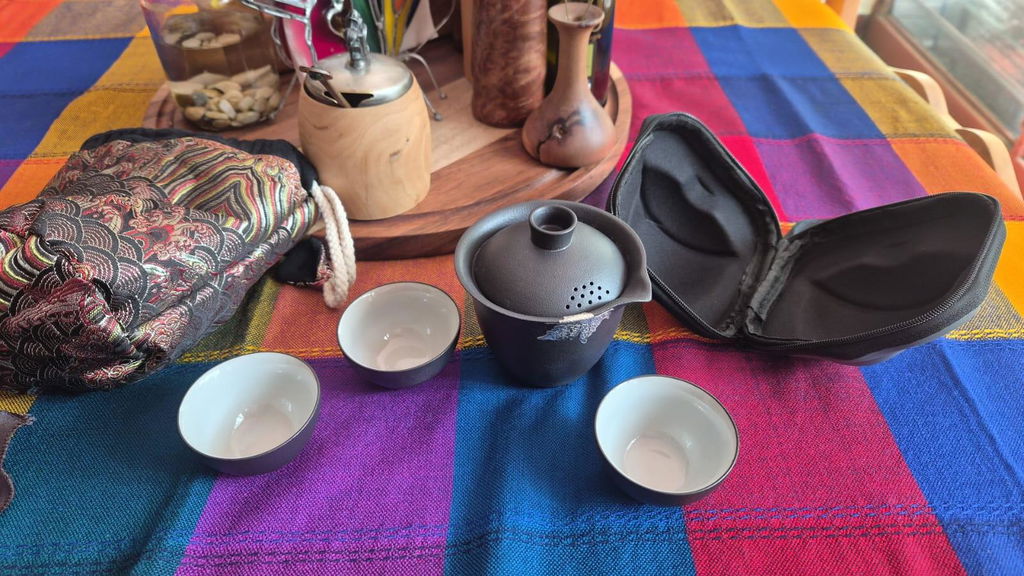
- Teaware: A white porcelain gaiwan is recommended – it allows precise control and clear observation.
- Tea Amount: About 5g for a 110–150ml gaiwan.
- Pouring Technique: Pour water gently along the rim in a circular motion – let the water lift the leaves softly.
- Steeping Time: First steep: 10–20 seconds. Add 5–10 seconds for each subsequent steep.
🪖 Brewing Aged White Tea (Aged Bai Mudan / Aged Gongmei / Aged Shoumei)
- Water Temperature: Boiling (100°C).
- Teaware: A zisha teapot or clay pot is recommended – its heat retention helps release aged aromas.
- Tea Amount: About 5–6g for a 110–150ml pot.
- Rinsing: 1–2 quick rinses to awaken the tea leaves.
- Steeping Time: First steep: 20–40 seconds. Gradually extend for later steeps.
- Boiling: After several infusions, you can boil the spent leaves in a boiling kettle – this brings out even more depth and sweetness.
V. Summary
| Category | Core Principle |
|---|---|
| Bai Mudan | Tender leaves → moderate water temperature (90–95°C), quick steeping, preserve freshness |
| Gongmei | Medium leaf grade → can handle slightly hotter water (95–100°C), moderate steeping |
| Shoumei | Coarse leaves → boiling water, longer steeping allowed, grows sweeter with each steep |
| New White Tea | Cooler water, quick steeping (85–95°C), not for boiling, preserve freshness |
| Aged White Tea | Boiling water, longer steeping (95–100°C), ideal for boiling, unlocks aged charm |
A quick summary: Bai Mudan, Gongmei, and Shoumei share a similar brewing logic, but Gongmei and Shoumei – being coarser – can take higher temperatures and slightly longer steeping. The real game‑changer is the age of the tea: new white tea needs cooler water and fast steeping, while aged white tea demands boiling water and longer steeping, and can even be boiled.
The art of brewing a great cup of white tea lies in adapting to the tea – understand its "age" and "body," and use the right water temperature and rhythm to awaken its best self. 🍵
🌿 Shop Fuding White Tea
Ready to explore the world of Fuding white tea? Browse our carefully sourced selection of Bai Mudan, Gongmei, and Shoumei — from fresh new harvests to richly aged cakes with years of depth and character.
🌸 Shop Bai Mudan (White Peony) 🌾 Shop Gongmei 🍂 Shop Shoumei
Browse Handmade Zisha Teapot → Browse Full Handmade Zisha Teapot →