




Lovely teapot, and gets better with use. Makes my tea taste so great.
A lovely honeyed spring.
Already complex and invigorating.
Beautiful and functional.
1. Introduction: Tea as the Bone, Flower as the Soul
Chinese flower tea, also known as scented tea or "xiangpian" (香片), is a unique category in traditional tea culture. It is crafted by layering tea leaves (green, black, or oolong) with fresh flowers through a meticulous scenting process, allowing the tea to absorb the floral essence. The result is a harmonious blend where "tea forms the backbone, and flowers impart the spirit."
Key Origins:
l Fuzhou, Fujian (Birthplace of jasmine tea, a UNESCO Intangible Cultural Heritage)
l Yunnan (Rose pu-erh, osmanthus black tea)
l Anhui (Huangshan Gongju chrysanthemum tea)
l Hengzhou, Guangxi (World’s largest jasmine flower base)
2. Classic Varieties & Flavor Profiles
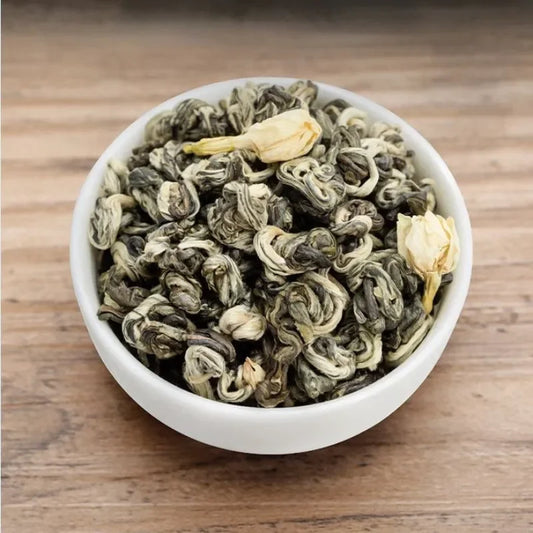
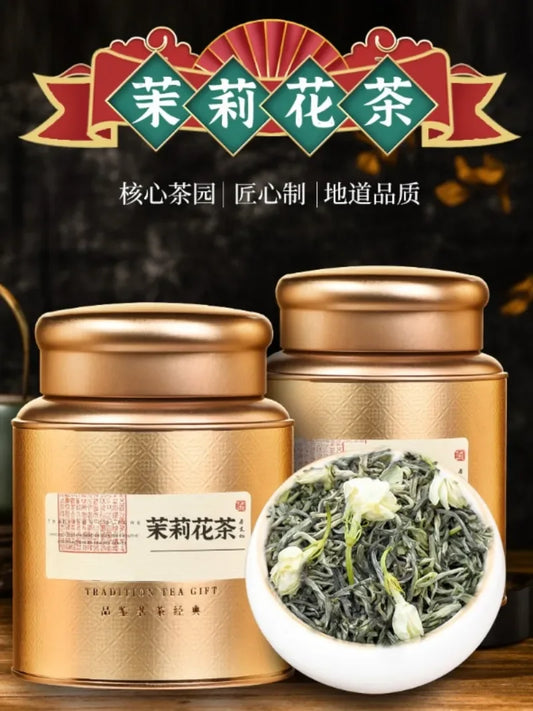
l Representative Types: Fuzhou Jasmine Silver Needle, Bitan Piaoxue
l Characteristics: Fresh, sweet, and intensely floral with a lingering aftertaste. Praised as "the finest fragrance under heaven."
l Pairing: Light snacks (e.g., mung bean cake) or enjoyed solo.
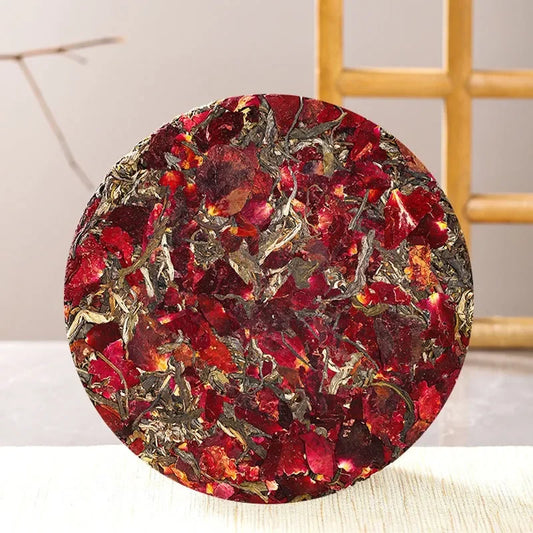
l Representative Types: Pingyin Rose Black Tea, Mo Rose
l Characteristics: Rich, velvety, and naturally sweet, high in anthocyanins. Ideal for women’s wellness.
l Modern Twist: Brew with honey and milk for rose milk tea.
l Representative Types: Anxi Osmanthus Tieguanyin
l Characteristics: Toasty oolong base with a delicate osmanthus aroma. Excellent cold-brewed.
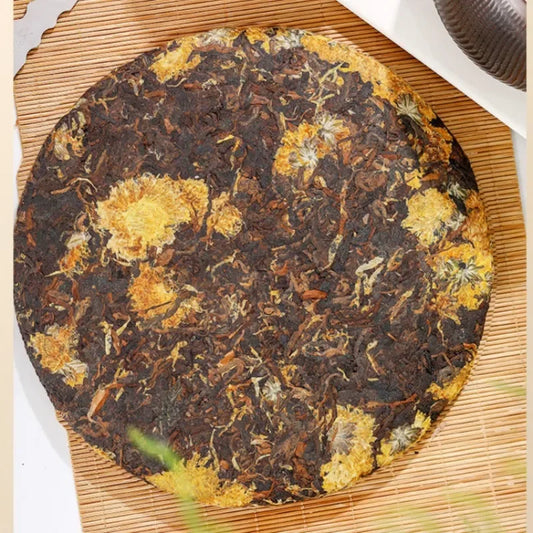
l Representative Types: Hangzhou White Chrysanthemum, Bud Chrysanthemum
l Benefits: Cools the body and soothes the eyes. Best served iced with rock sugar in summer.
3. The Art of Tasting: A 4-Step Guide
l High-quality flower tea has even, unbroken leaves with natural petals (e.g., jasmine tea may show dried blossoms).
l Hot Aroma: Balanced floral and tea notes, no artificial sharpness.
l Cold Aroma: A lingering, pleasant scent in the empty cup indicates premium tea.
l The brew should be clear and bright (e.g., jasmine tea: pale gold; rose tea: reddish-amber).
l Smooth texture, floral sweetness without overpowering the tea, and a clean finish.
4. Cultural Significance
l Historical Roots: Flower-scented tea dates back to the Song Dynasty; Empress Dowager Cixi adored double-scented jasmine tea.
l Wellness Wisdom: Traditional Chinese medicine values flower teas for balancing qi—chrysanthemum for cooling, rose for calming.
Final Note:
Chinese flower tea is a poetic synergy of scent and flavor. Whether sipping jasmine at dawn or unwinding with rose tea at dusk, each cup carries centuries of craftsmanship. From petal to palate, it’s a celebration of nature’s artistry and Eastern serenity.
