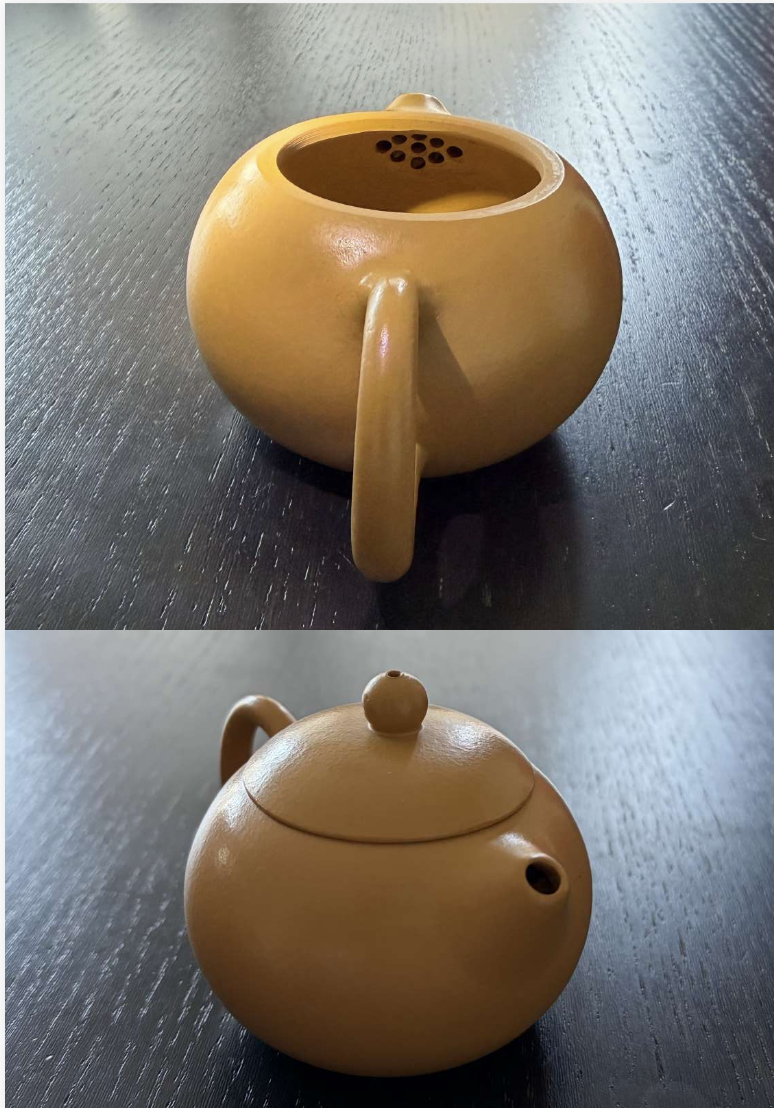
Are Zini and Lao Zini Different Types of Zisha Clay? A Explanation Using Pu'er Tea
In the world of Yixing Zisha, "Zini" (紫泥) is the most classic and common type of clay. The name "Lao Zini" (老紫泥), however, often causes confusion: Is it a completely different clay, or just a marketing term? Today, we'll clear up the difference between Zini and Lao Zini once and for all.
The Short Answer: Same Family, Different Stages
Simply put, Lao Zini is a type of Zini, but not all Zini can be called Lao Zini. Think of them as "new tea" and "aged tea." They are essentially the same thing, but a key factor—aging time—creates the difference in their final properties.
1. Detailed Characteristics
1. Zini (The Standard · The Potential)
Zini is the primary category of Zisha clay, with relatively abundant deposits found in the middle layers of the clay strata. It has stable properties, good plasticity, and a wide firing range, making it the most common material for Yixing teapots.
- Characteristics: The color spectrum is wide, ranging from light brown (liver color) to deep purple, depending on the ore source and firing temperature. It has a pronounced sandy texture with rich grain variation.
- Properties: Excellent permeability for brewing tea. It doesn't absorb the tea's aroma too strongly, instead working well to enhance the tea's fragrance. It is particularly suitable for brewing Oolong teas (like Tieguanyin), Pu'er tea, and black tea.
- The Feeling: Like a raw Pu'er (Sheng Puer), it is full of vitality and potential but requires time (seasoning) to reveal its deeper charm.
2. Lao Zini (The Aged · The Performer)
Lao Zini is not a separate mineral name. It refers to Zini clay that has undergone a long period of aging and storage. The "Lao" (老) means "old" and refers to the length of the aging process. Typically, only Zini clay aged for many years (at least three years or more) can be called Lao Zini.
- Characteristics: Due to prolonged aging, organic matter within the clay breaks down, water distribution becomes extremely even, and the "fire" or raw energy of the clay dissipates. Its color is often more subdued and restrained, leaning towards a purplish-brown, and exhibits a superior, warm jade-like texture after firing.
- Properties: It has even better plasticity, making it more "obedient" during crafting and less prone to cracking. It seasons faster, developing a patina (packaging) more easily and presenting an antique, elegant, and moist appearance.
- The Feeling: Similar to a ripe Pu'er (Shu Puer), it has undergone a period of maturation, shedding the harshness of newness. It offers a mellow, smooth, and温和 (wēnhé - gentle) character right from the first use.
2. A Quick Comparison Table
|
Feature |
Zini (紫泥) |
Lao Zini (老紫泥) |
|
Nature |
The fundamental category of purple clay |
Aged Zini that has undergone long-term storage |
|
Relationship |
The "Superset" (it includes all) |
The "Subset" (specifically the aged one) |
|
Core Difference |
Source of ore, Firing temperature |
Length of the aging process |
|
Clay Condition |
Relatively more "volatile," contains some "fire" |
More "pure" and stable,温和 (wēnhé - gentle) and fireless |
|
Working Ease |
Good plasticity, but humidity control is important |
Excellent plasticity, less prone to cracking, easier to shape |
|
Finished Look |
Strong sandy feel, vibrant color |
More refined texture, subdued and antique coloration |
|
Seasoning Effect |
Stable patina development, requires patience |
Patina develops faster, moist appearance appears more quickly |
|
Analogy |
Raw Pu'er (Sheng Puer) |
Ripe Pu'er (Shu Puer) |
Summary
In conclusion, Lao Zini is an "upgraded" or "aged" version of Zini. Its value lies in the沉淀 (chéndiàn - precipitation) of time. The lengthy aging process stabilizes the clay's properties, making the crafting and seasoning experience superior.
- If you seek the classic charm of Zisha and the joy of seasoning, a high-quality standard Zini teapot is perfectly sufficient and offers great value.
- If you are a connoisseur pursuing the ultimate experience, enjoying a clay that is温和 (wēnhé - gentle), mellow, and quick to develop a patina, then a genuine, well-aged Lao Zini teapot will be your ideal choice.
We hope this article helps you better understand the difference between Zini and Lao Zini, allowing you to find the perfect teapot for your needs!