Brewing Guide for Raw Puer Tea (Sheng Puer)
To brew a cup of Raw Pu'er tea with a bright yellow‑green liquor, a fresh and brisk taste with a sweet aftertaste, and rich layers of flavour, the key lies in temperature control and fast pouring – to both bring out the aroma and charm of the raw tea while avoiding the bitterness caused by high‑temperature steeping.
Here is a detailed brewing guide for you:
🍵 Step 1: Prepare and "Wake Up" the Tea
- Breaking off the tea: For compressed forms like cakes or bricks, use a tea knife or needle to gently pry off pieces along the leaf texture from the side. Try to keep the leaves as whole as possible and avoid creating too much dust or crumbs.
-
Dry awakening (optional): For tea that has been stored for a while, "awakening" before brewing can be beneficial.
- Dry awakening: Place the broken leaves in an unglazed clay pot or a purple clay jar, leaving it open for a few days to a week. This allows the tea to "breathe" and dissipate any storage odours.
- Wet awakening: This is the "rinsing" step during brewing (see below).
🍵 Step 2: Teaware and Water
-
Teaware selection:
- Recommended for beginners – White porcelain Gaiwan: A white porcelain gaiwan does not absorb flavours or aromas, gives a true taste, makes it easy to observe the liquor and leaves, and – thanks to its wide opening – avoids overheating the tea, allowing flexible control of steeping time.
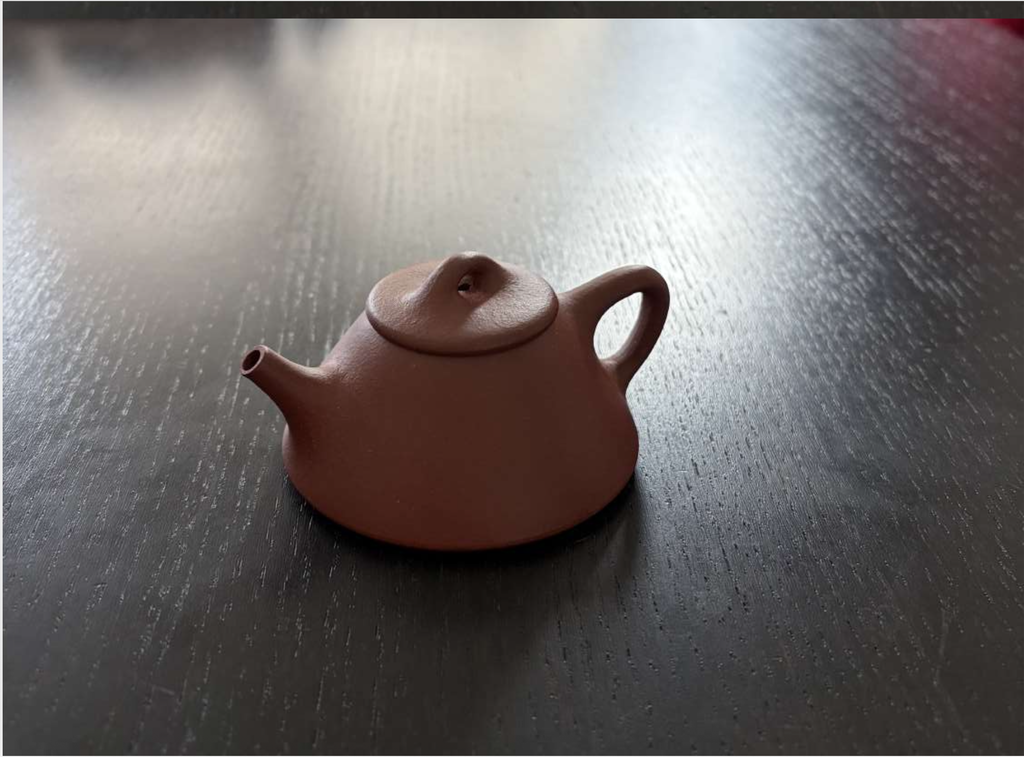
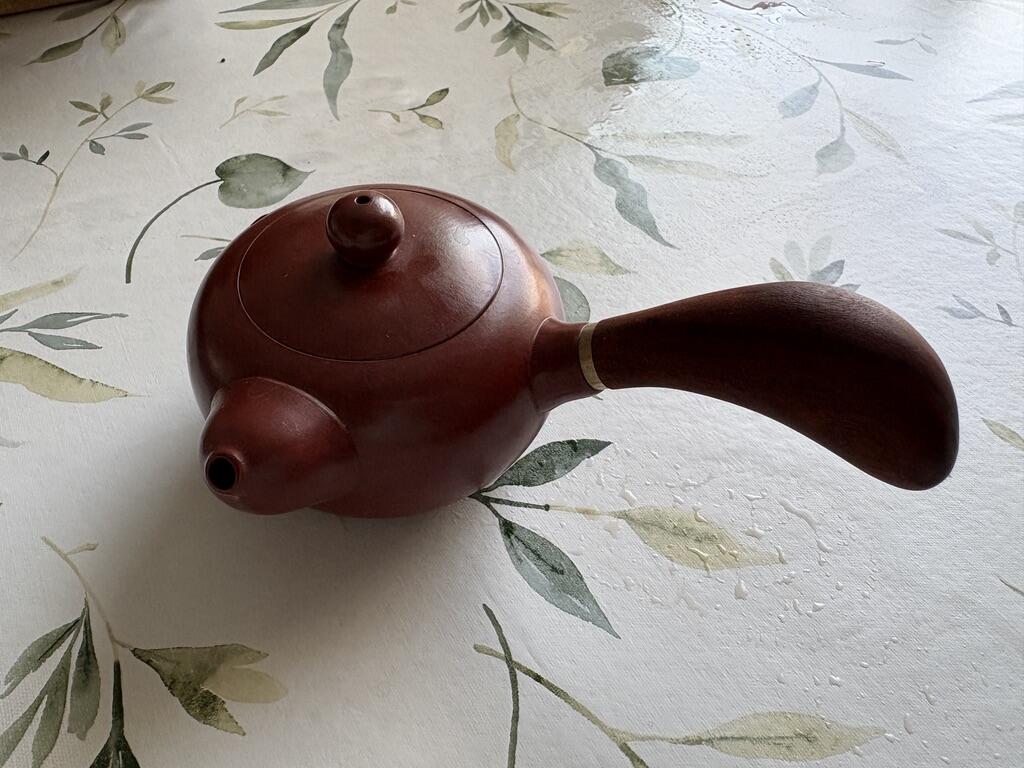
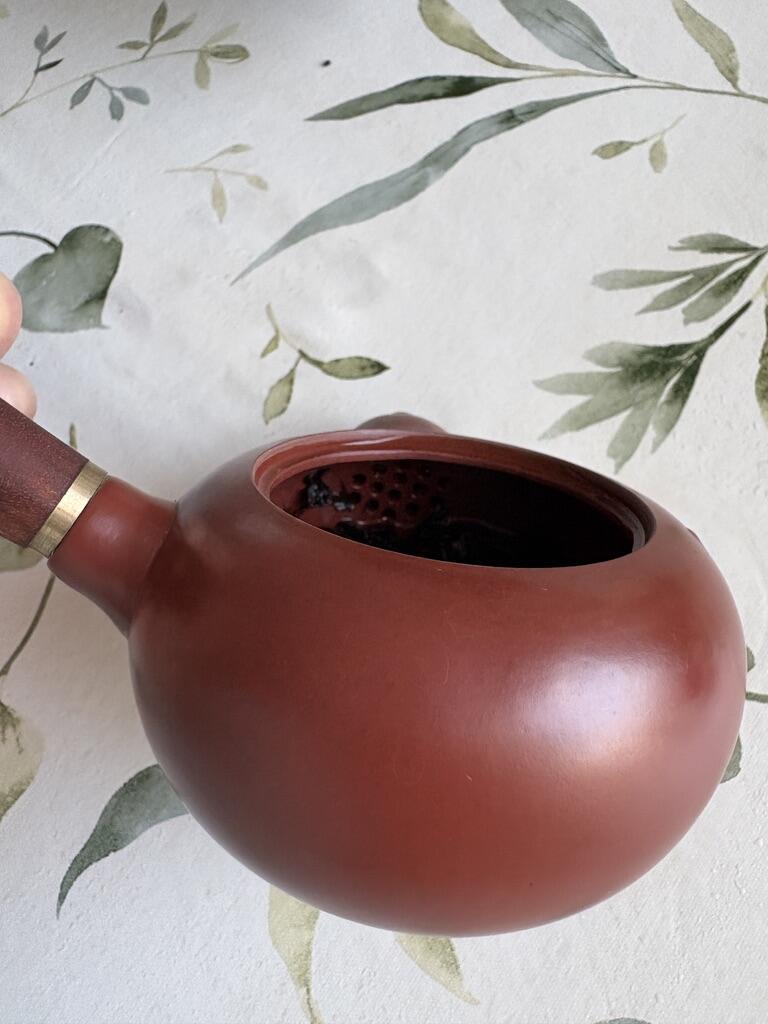
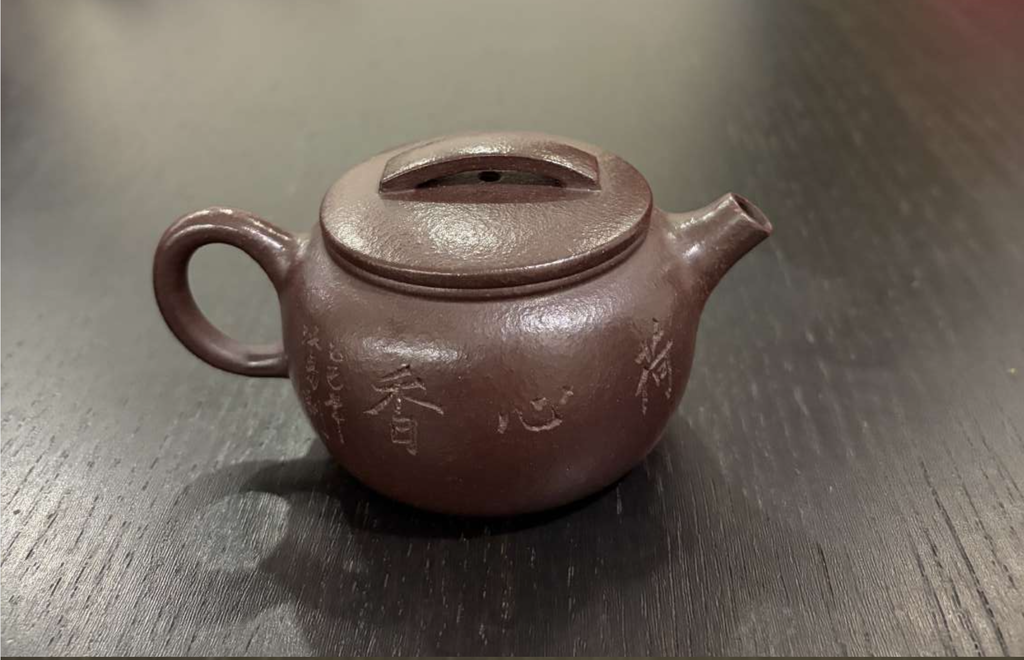
- Preferred by seasoned drinkers – Purple clay (Zisha) teapot: It is porous and can soften the tea liquor, making it suitable for aged raw teas or those made with coarser, larger leaves.
- Water choice: Use purified water or mineral water. Avoid tap water, as its impurities can affect the pure taste of the tea.
🔥 Step 3: Water Temperature – the Key Factor
For raw Pu'er tea, the water must be hot, but never pour boiling water directly onto tender leaves!
- Standard brewing (for aged teas or coarser leaves): Use 95°C–100°C (boiling) water.
-
Special adjustments:
- For aged raw Pu'er or teas made with coarser, larger leaves – use 100°C to fully extract their inner qualities.
- For new teas, bud‑heavy, or tender leaves – lower the temperature to 92°C–95°C to avoid scalding the fresh leaves, which would produce a "cooked" taste and reduce the freshness and briskness of the tea.
- Tip: Do not repeatedly boil the same water. When pouring, avoid directing the water straight onto the leaves; instead, pour gently along the inner wall of the vessel.
📝 Step 4: The Six Steps of Brewing
-
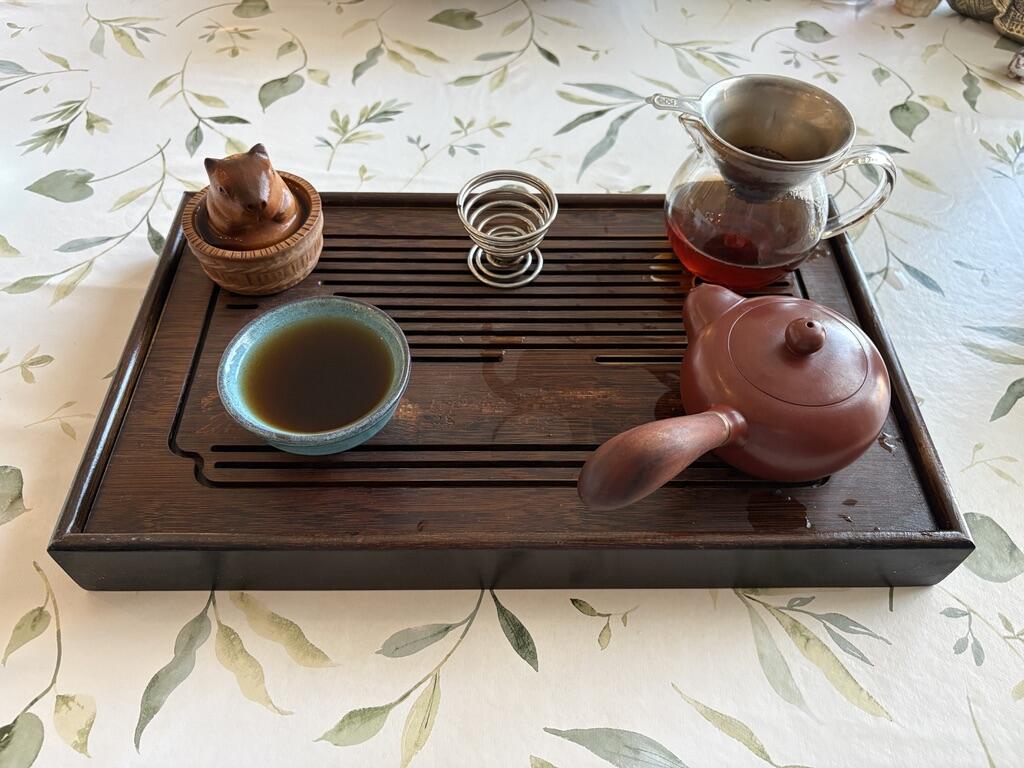
Warm the teaware
First, rinse your teapot, fairness cup, tasting cups, and all other utensils with boiling water. This cleans them and, more importantly, raises their temperature to help release the tea's aroma. -
Amount of tea leaves
The recommended tea‑to‑water ratio is 1:20 to 1:30 – that is 1 gram of tea for every 20–30 ml of water.- Example: For a 150 ml gaiwan or teapot, use about 5–8 grams of tea.
- Adjustment: You can increase or decrease the amount according to your personal taste.
-
Rinse the tea (wet awakening)
Pour boiling water over the leaves – just enough to cover them – and then pour it out immediately. This rinse is not for drinking; it cleans the tea and awakens the leaves.- For compressed tea cake or brick, you may let it sit for 5–10 seconds before pouring out.
- For new loose‑leaf tea, rinse and pour out immediately – "in and out".
-
Pouring technique
It is recommended to use a low, steady pour along the inner wall of the gaiwan in a circular or fixed‑point motion. Never pour boiling water directly and forcefully onto the tea leaves, as this will release too many compounds too quickly, increasing bitterness and astringency. -
Steeping time – core principle: "fast at the start, in‑and‑out for the middle"
Raw tea needs to be poured out quickly to avoid over‑steeping, which causes bitterness.- Infusions 1–3: Pour out in about 5 seconds – very quick.
- Infusions 4–8: Pour out as soon as you finish pouring in – "in‑and‑out".
- After 8 infusions: Depending on the strength, add 5–10 seconds to each subsequent infusion compared to the previous one.
-
Drain completely
After each infusion, make sure to completely empty the teapot or gaiwan of all liquid. Any leftover tea will make the next infusion overly bitter and astringent.
✨ Advanced Tips
- The "leave a little" (root) method: Starting from about the 5th infusion, you can leave a portion of the tea liquor in the pot (e.g., pour out 80% and keep 20%) before adding fresh water. This balances the concentration across infusions and increases the tea's longevity.
- Boiling aged raw tea: For raw teas that are over 10 years old, you can try boiling them. A good ratio is 500 ml water to 3–5 grams of tea. Bring to a boil, then simmer gently for 3–5 minutes.
- Convenient thermos brewing (not recommended for new raw teas): In the office or when travelling, you can brew in a thermos. However, new raw teas are not recommended for thermos steeping as they easily turn bitter. If needed, use a ratio of 1:100 and let it steep for about 10–15 minutes – ready to drink.
Quick Reference Summary
| Parameter | Recommendation |
|---|---|
| Water temperature | New/fine teas: 92–95°C; Aged/coarse teas: 95–100°C |
| Tea‑to‑water ratio | 1:20 to 1:30 (e.g., 5–8 g per 150 ml vessel) |
| Rinse (wash) | Pour boiling water over and discard immediately (for compressed tea, 5–10 sec) |
| First 3 infusions | About 5 seconds, pour out quickly |
| Infusions 4–8 | "In‑and‑out" – pour out immediately after pouring in |
| Subsequent infusions | Add 5–10 seconds each time |
Raw Pu'er tea is rich in layers and ever‑changing. With a few tries, you'll find the rhythm that suits your taste. I hope this guide helps you brew a fresh, brisk, and satisfying cup of raw Pu'er.
🍵 Shop Raw Pu-erh (Sheng Puer)
Ready to experience the fresh, brisk character and deep complexity of Raw Pu'er? Explore our carefully sourced Sheng Puer — from young vibrant cakes to aged classics with rich mountain character.
🍵 Shop Raw Pu-erh Browse All Pu-erh
Browse Handmade Zisha Teapot → Browse Full Handmade Zisha Teapot →